

15 Foods That Are Secretly Healthier Than Most "Superfoods"
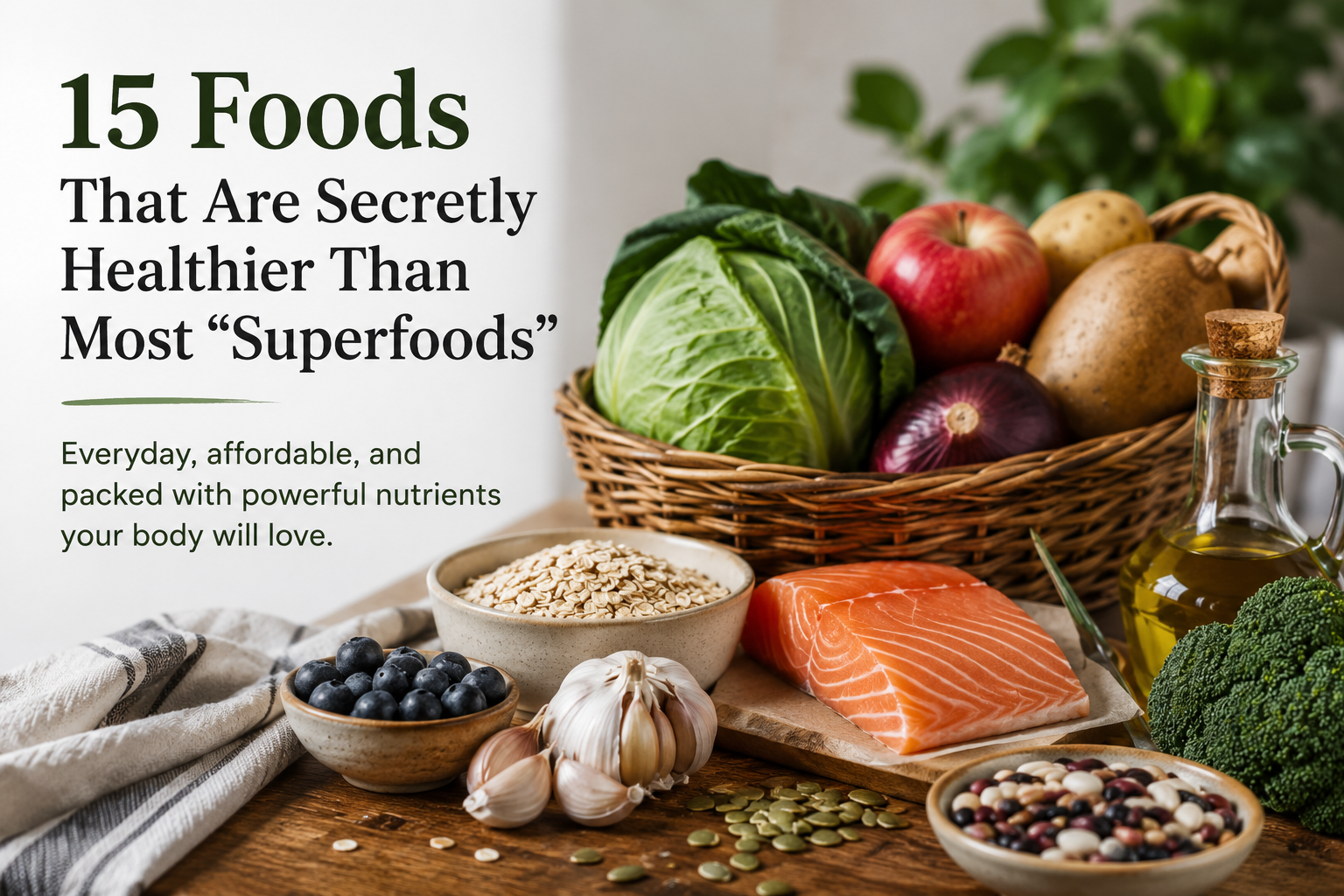
When people hear the word superfood, they often think of expensive powders, exotic berries, or trendy supplements. While many of these foods can be nutritious, some of the healthiest options are the ones you can find in almost every grocery store.
These everyday foods are packed with vitamins, minerals, fiber, healthy fats, and powerful plant compounds that support your heart, brain, digestive system, and overall health—often at a fraction of the cost of trendy alternatives.
Here are 15 foods that deserve far more attention.
1. Potatoes
Potatoes have gotten an unfair reputation over the years, but they're actually rich in vitamin C, potassium, vitamin B6, and resistant starch (especially when cooled after cooking). When prepared by baking, roasting, or boiling instead of frying, potatoes can be part of a healthy diet.
Read more: Health Benefits of Potatoes
2. Cabbage
Cabbage is inexpensive, versatile, and loaded with vitamin C, vitamin K, fiber, and beneficial compounds such as glucosinolates, which are being studied for their role in supporting long-term health.
Read more: Health Benefits of Cabbage
3. Sardines
These small fish provide an impressive combination of omega-3 fatty acids, protein, vitamin D, calcium, selenium, and vitamin B12. Because they're lower on the food chain, sardines also tend to contain less mercury than many larger fish.
Read more: Health Benefits of Sardines
4. Oats
Oats contain beta-glucan, a type of soluble fiber that can help support healthy cholesterol levels, improve fullness, and promote a healthy gut microbiome. They also provide steady energy throughout the morning.
Read more: Health Benefits of Oats
5. Beans
Whether you prefer black beans, kidney beans, lentils, or chickpeas, legumes are among the healthiest foods on the planet. They're rich in plant protein, fiber, iron, magnesium, and numerous antioxidants.
Read more: Health Benefits of Beans
6. Mushrooms
Mushrooms provide unique antioxidants like ergothioneine along with B vitamins, selenium, and compounds that support immune function. Some varieties exposed to ultraviolet light are also an excellent source of vitamin D.
Read more: Health Benefits of Mushrooms
7. Blueberries
Blueberries are rich in anthocyanins, plant compounds associated with heart and brain health. Frozen blueberries retain most of their nutritional value and are often more affordable than fresh.
Read more: Health Benefits of Blueberries
8. Garlic
Garlic has been used for centuries in traditional cooking and medicine. It contains sulfur compounds such as allicin that have been studied for their potential role in supporting cardiovascular health and immune function.
Read more: Health Benefits of Garlic
9. Onions
Onions provide quercetin and other antioxidants that may help protect cells from oxidative stress. They also contain prebiotic fibers that nourish beneficial gut bacteria.
Read more: Health Benefits of Onions
10. Pumpkin Seeds
Pumpkin seeds are packed with magnesium, zinc, healthy fats, protein, and antioxidants. They're an easy snack that can also be sprinkled over salads, yogurt, or oatmeal.
Read more: Health Benefits of Pumpkin Seeds
11. Broccoli
Broccoli is one of the most nutrient-dense vegetables available. It's rich in vitamins C and K, folate, fiber, and sulforaphane—a compound that's being extensively researched for its potential health benefits.
Read more: Health Benefits of Broccoli
12. Apples
Apples provide fiber, vitamin C, and polyphenols that support gut and heart health. Keeping the skin on preserves much of the fruit's nutritional value.
Read more: Health Benefits of Apples
13. Eggs
Eggs offer high-quality protein along with choline, vitamin B12, selenium, and lutein. For most healthy people, moderate egg consumption can fit into a heart-healthy eating pattern.
Read more: Health Benefits of Eggs
14. Olive Oil
Extra virgin olive oil is one of the foundations of the Mediterranean diet. It's rich in monounsaturated fats and polyphenols that support heart health and help reduce inflammation.
Read more: Health Benefits of Olive Oil
15. Kiwi
Kiwi is often overlooked despite being one of the most nutrient-dense fruits available. It's exceptionally high in vitamin C while also providing fiber, potassium, vitamin K, and antioxidants.
Read more: Health Benefits of Kiwi
The Bottom Line
You don't have to spend a fortune on trendy "superfoods" to eat well. Many everyday staples found in nearly every grocery store provide outstanding nutrition and are backed by decades of scientific research.
Instead of chasing the latest health fad, focus on building your meals around whole, minimally processed foods like vegetables, fruits, legumes, whole grains, fish, nuts, seeds, and healthy fats. Small, consistent choices often have a bigger impact on long-term health than any single so-called superfood.
The healthiest diet isn't about one miracle ingredient—it's about making nutritious foods a regular part of your daily routine.
