

What Happens to Your Body When You Don't Get Enough Protein
Introduction
Protein is often associated with building muscle, but its role in your body goes far beyond the gym. Every cell in your body relies on protein to function properly. It's needed to repair tissues, produce enzymes and hormones, support your immune system, and maintain healthy skin, hair, and nails.
While many people consume enough protein, others—especially older adults, people following restrictive diets, or those trying to lose weight—may not be getting as much as their bodies need. Even a mild protein deficiency over time can affect your energy, strength, recovery, and overall health.
In this article, we'll explore why protein matters, common signs you may not be getting enough, and practical ways to ensure you're meeting your daily needs.
Why Protein Is So Important
Protein is made up of amino acids, which are often called the building blocks of life. Your body uses these amino acids to:
Build and repair muscles
Produce enzymes and hormones
Support immune function
Maintain healthy skin, hair, and nails
Promote wound healing
Transport nutrients throughout the body
Help preserve lean muscle as you age
Unlike fat and carbohydrates, your body doesn't store large reserves of protein, making regular intake important.
1. You May Lose Muscle Mass
One of the earliest signs of inadequate protein intake is gradual muscle loss. When dietary protein is too low, your body may begin breaking down muscle tissue to obtain the amino acids it needs for essential functions. Over time, this can lead to:
Reduced strength
Poor exercise performance
Slower metabolism
Increased risk of falls as you age
This is especially important for adults over 50, since age-related muscle loss (sarcopenia) naturally accelerates over time.
Learn more about what happens to your body when you stop walking regularly.
2. Recovery Takes Longer
Protein plays a critical role in repairing muscles, tendons, ligaments, and other tissues after exercise or injury.
Without enough protein, you may notice:
Longer-lasting soreness
Slower healing
Increased fatigue after workouts
Difficulty building strength
3. You May Feel Hungrier Throughout the Day
Protein is one of the most filling nutrients you can eat.
Meals that contain adequate protein help:
Increase feelings of fullness
Reduce unnecessary snacking
Support stable energy levels
Help maintain a healthy weight
Many people who constantly feel hungry may simply not be eating enough protein at meals.
4. Your Hair, Skin, and Nails Can Become Weaker
Protein is required to produce:
Keratin (hair and nails)
Collagen (skin)
Elastin (skin elasticity)
Over time, inadequate protein intake may contribute to:
Brittle nails
Increased hair shedding
Dry skin
Slower wound healing
While many factors influence appearance, nutrition provides the foundation.
5. Your Immune System May Not Function at Its Best
Antibodies that help fight infections are made from protein. If protein intake remains too low for an extended period, your immune system may not respond as effectively, potentially making it harder for your body to recover from illness.
6. You May Feel More Fatigued
Persistent low energy can have many causes, but inadequate protein is one possibility. Protein helps preserve lean muscle, supports metabolism, and contributes to the production of enzymes and hormones involved in energy regulation.
If you're eating mostly refined carbohydrates with very little protein, you may also experience greater fluctuations in blood sugar, which can contribute to energy crashes.
Learn more about blood sugar and insulin here.
7. You May Have More Difficulty Maintaining a Healthy Weight
Higher-protein diets have consistently been shown to:
Increase satiety
Help preserve muscle during weight loss
Slightly increase the number of calories burned through digestion
Support long-term weight management
This doesn't mean eating excessive amounts of protein is better, but getting enough can make healthy eating easier.
How Much Protein Do You Need?
The Recommended Dietary Allowance (RDA) for healthy adults is 0.8 grams per kilogram of body weight per day, which is the minimum to prevent deficiency.
Many experts suggest that higher intakes—around 1.0 to 1.6 grams per kilogram per day—may be beneficial for older adults, physically active individuals, and those trying to preserve or build muscle.
Examples:
150-pound adult: about 55–110 grams/day
180-pound adult: about 65–130 grams/day
Individual needs vary based on age, activity level, health conditions, and goals.
Easy Ways to Eat More Protein
You don't need to eat huge portions of meat to meet your needs.
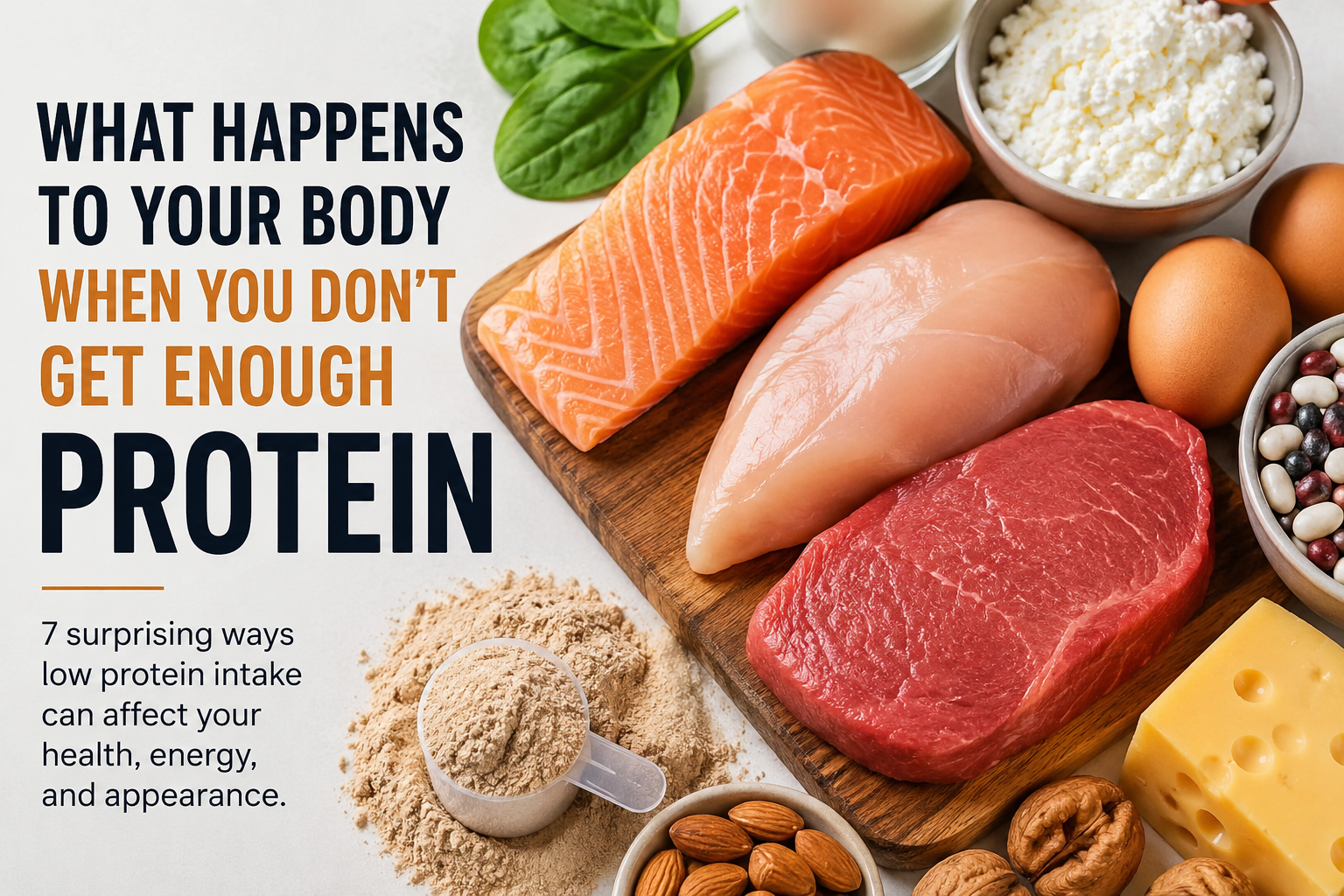
Good protein sources include:
Eggs
Greek yogurt
Cottage cheese
Chicken
Turkey
Fish
Lean beef
Beans
Lentils
Tofu
Tempeh
Edamame
Protein powders (when whole foods aren't practical)
Aim to include a quality protein source at each meal instead of eating most of your protein at dinner.
Products That May Help
Building healthy habits is often easier when you have the right tools. Below are a few products that may help you meet your daily protein goals. If you purchase through these links, we may earn a small commission at no additional cost to you.
These products can support a balanced diet but aren't a substitute for eating a variety of nutrient-rich whole foods.
Final Thoughts
Protein is far more than a nutrient for athletes—it supports nearly every system in your body. From maintaining muscle and supporting your immune system to promoting healthy skin and helping you feel full after meals, adequate protein intake is essential throughout life.
If you suspect you're not getting enough, start by adding a quality protein source to each meal and focusing on whole, minimally processed foods. Small, consistent changes can have a meaningful impact on your energy, recovery, and long-term health.
