

7 Hidden Sources of Microplastics You Encounter Every Day
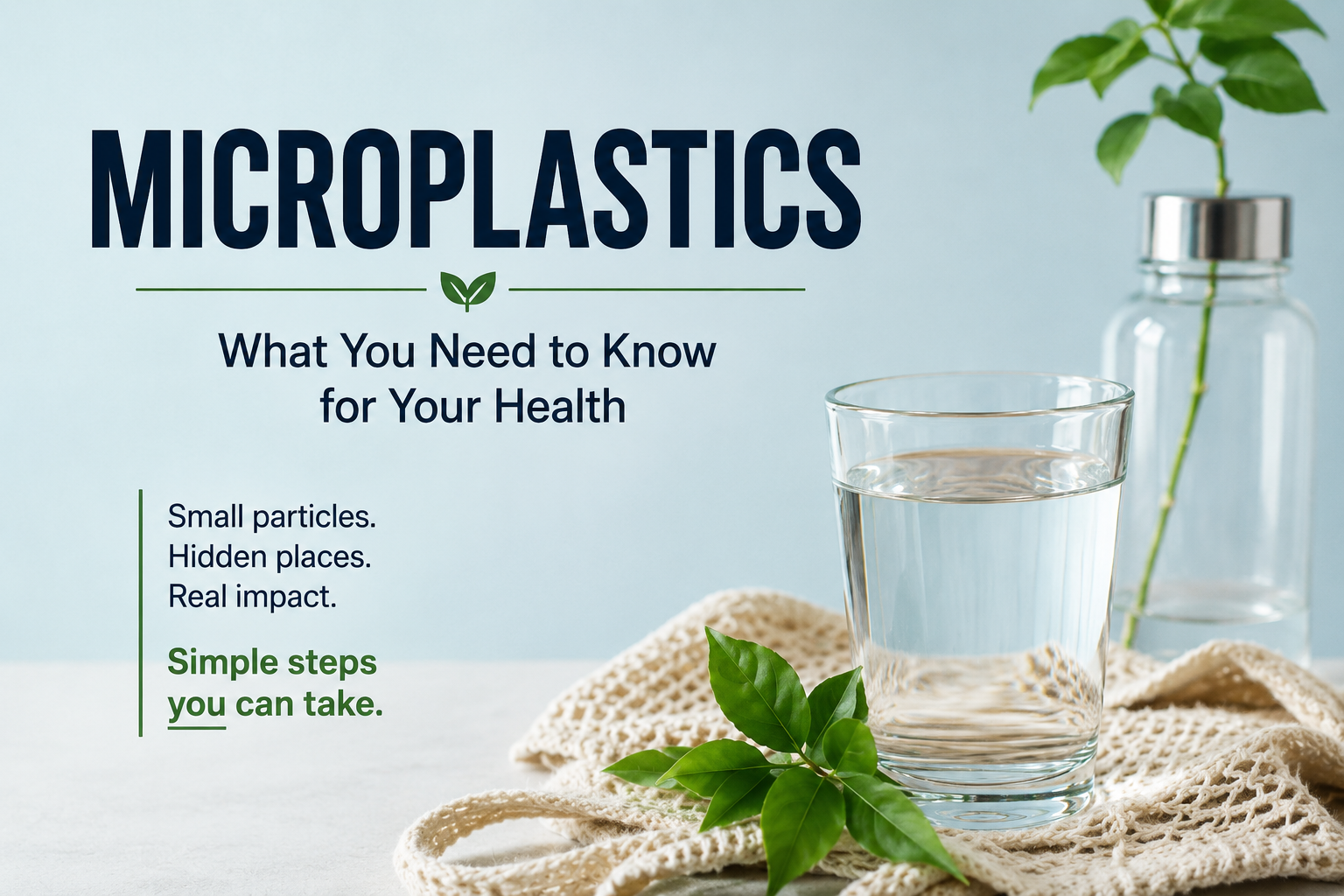
Microplastics have become one of the most talked-about topics in health and environmental research. These tiny plastic particles have been found in drinking water, food, household dust, and even within the human body. While scientists are still working to understand their full impact on human health, many researchers believe reducing unnecessary exposure may be a wise step toward supporting long-term wellness.
The good news is that you don't need to eliminate every plastic item from your life. Simply understanding where microplastics come from can help you make practical choices that may reduce exposure over time.
What Are Microplastics?
Microplastics are tiny plastic particles generally smaller than 5 millimeters in size. They can form when larger plastic products break down or can be intentionally manufactured for use in certain products.
Because plastics are used in so many everyday items, microplastics have become widespread in our environment. Researchers have detected them in oceans, rivers, food, drinking water, and even indoor air.
Why Are Scientists Concerned About Microplastics?
Research is still evolving, but there are several reasons why scientists are studying microplastics closely.
They May Promote Inflammation
The body often recognizes foreign particles as something that doesn't belong. Some laboratory and animal studies suggest microplastics may trigger inflammatory responses in tissues. Since chronic inflammation has been linked to numerous health concerns, researchers are investigating whether long-term exposure could play a role in overall health.
If you would like to learn more on inflammation, check out our article Is Inflammation Quietly Holding You Back?
They May Carry Other Chemicals
Plastics can contain additives such as BPA, phthalates, and other compounds used during manufacturing. The concern isn't always the plastic particle itself. Researchers are also studying whether these associated chemicals may affect hormone signaling, metabolism, and other biological processes.
They May Affect Gut Health
Scientists are exploring how microplastics interact with the digestive system. Some early research suggests they may influence the gut lining and the balance of microorganisms that make up the gut microbiome. More research is needed, but this remains an active area of investigation.
If you're looking to support your digestive system naturally, check out our article on Simple Ways to Improve Your Digestive Wellness Naturally.
They Have Been Found Throughout the Human Body
Recent studies have detected microplastics in blood, lungs, placental tissue, arteries, and brain samples.
Finding microplastics in these tissues does not automatically prove they are causing harm. However, it does demonstrate that exposure is widespread and that these particles can travel throughout the body.
Where Do Most Microplastics Come From?
When people think about microplastics, they often imagine ocean pollution or discarded plastic bottles floating in waterways. While those are certainly contributors, many of the microplastics we encounter originate from products and habits that are part of everyday life.
From the water we drink and the food we eat to the clothes we wear and the items we use around our homes, small amounts of plastic can break down over time and become microscopic particles. Because these sources are so common, many people are exposed to microplastics without realizing it.
Let's take a closer look at some of the most common hidden sources of microplastics and simple ways you can reduce your exposure.
1. Plastic Water Bottles
One of the most commonly discussed sources of microplastics is bottled water. Plastic bottles can shed tiny particles, particularly when exposed to heat or stored for long periods. Leaving bottled water in a hot car or garage may accelerate the breakdown of plastic materials. Using a reusable stainless steel or glass water bottle is a simple way to reduce reliance on single-use plastics.
2. Food Storage Containers
Plastic food containers are convenient, but repeated use, scratching, and heating may increase the release of microscopic plastic particles. While there's no need to throw out every container in your kitchen, avoiding microwaving food in plastic and replacing heavily worn containers can be practical steps.
3. Tea Bags
Many people are surprised to learn that some tea bags contain plastic materials used to seal or strengthen the bag. When exposed to hot water, certain tea bags may release microscopic particles into your beverage. Choosing loose-leaf tea or plastic-free tea bags may help reduce this source of exposure.
4. Synthetic Clothing
Polyester, nylon, acrylic, and other synthetic fabrics can release tiny fibers during washing and everyday wear. These fibers eventually enter waterways and contribute to environmental microplastic contamination. Natural fibers such as cotton, linen, and wool may reduce the release of synthetic particles.
5. Plastic Cutting Boards
Every slice made on a plastic cutting board creates wear and tear on the surface. Over time, tiny particles can break away and potentially enter food during preparation. Wood and bamboo cutting boards are alternatives many people choose to reduce this source of exposure.
6. Takeout Containers
Hot foods are often packaged in plastic containers designed for convenience. Heat can increase the movement of certain compounds from plastic into food, which is why some people choose to transfer meals into glass or ceramic dishes once they get home.
7. Household Dust
One of the most overlooked sources of microplastics may be inside your home. Carpets, furniture, synthetic fabrics, electronics, and household products can all contribute microscopic particles to indoor dust. Regular vacuuming, dusting, and proper ventilation may help reduce indoor exposure.
Simple Ways to Reduce Microplastic Exposure
You don't need to strive for perfection. Small changes can make a meaningful difference over time.
Consider these practical habits:
Use glass or stainless steel water bottles when possible.
Avoid heating food in plastic containers.
Replace heavily scratched food containers.
Choose loose-leaf tea or plastic-free tea bags.
Consider natural fiber clothing when practical.
Dust and vacuum regularly.
Transfer hot takeout food to glass or ceramic dishes.
The Bottom Line
Microplastics are becoming increasingly common in modern life, and scientists are actively researching their potential effects on human health. While many questions remain unanswered, concerns center around inflammation, chemical exposure, digestive health, and the widespread presence of microplastics throughout the body.
Rather than worrying about every source of exposure, focus on practical habits that fit your lifestyle. Small steps—such as avoiding heated plastics, using reusable containers, and maintaining a clean indoor environment—can help reduce exposure while supporting your overall wellness goals.
For more wellness insights, explore our articles on inflammation, digestive wellness, blood sugar balance, and healthy lifestyle habits here on IWantToHealthYou.
