

Why Sleep Quality Matters More Than Sleep Quantity
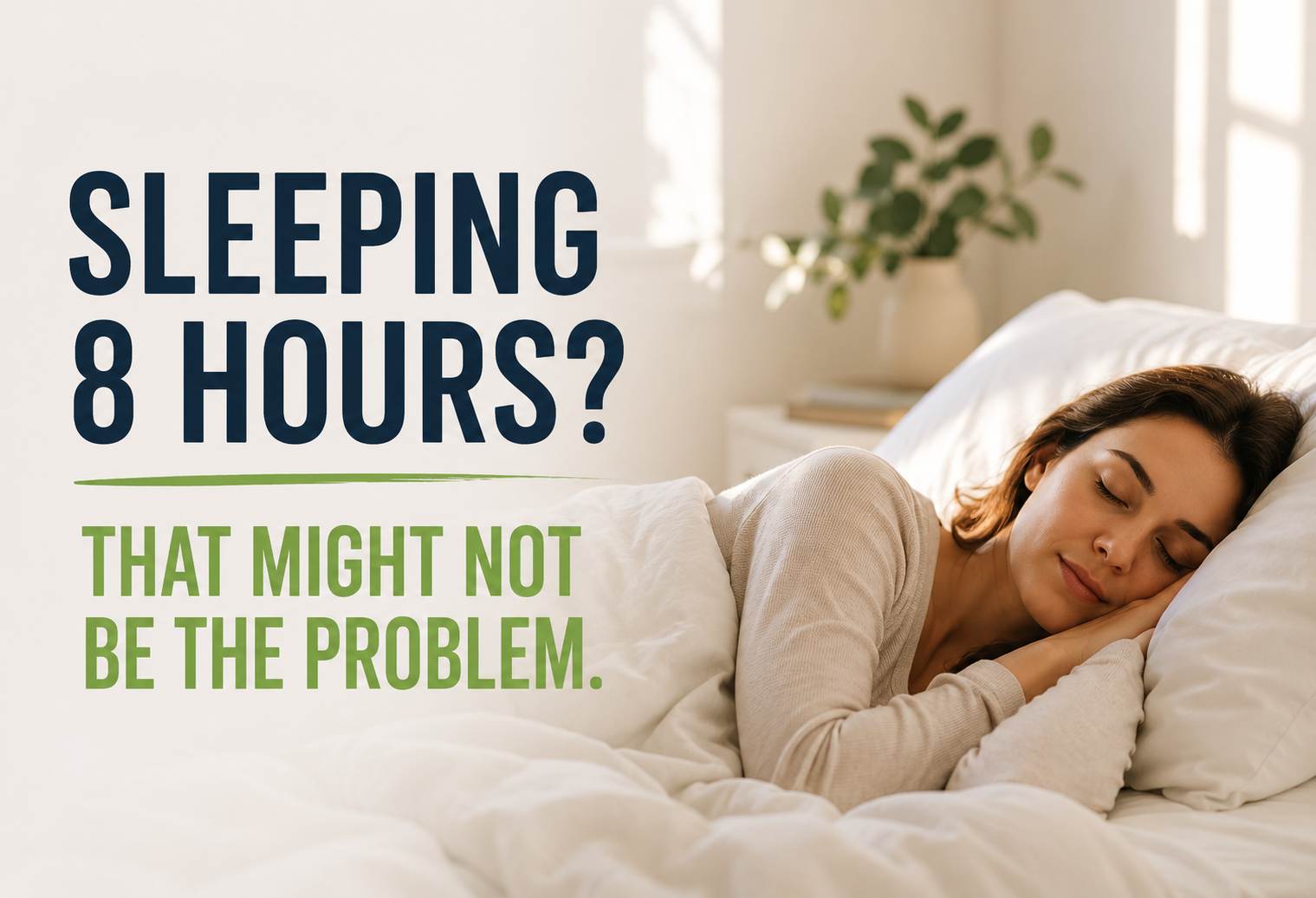
Most people focus on how many hours they sleep, but getting enough sleep isn't always the same as getting restful sleep. You may spend eight hours in bed and still wake up feeling exhausted, while someone else feels refreshed after seven hours of high-quality sleep. That's because sleep quality matters just as much—if not more—than sleep quantity.
What Is Sleep Quality?
Sleep quality refers to how restorative your sleep is. Good sleep isn't simply about the number of hours you spend in bed. It's also about:
Falling asleep without difficulty.
Staying asleep throughout the night.
Spending enough time in deep and REM sleep.
Waking up feeling rested and refreshed.
Having consistent energy throughout the day.
In other words, quality sleep helps your body and mind recover so you can function at your best.
Why More Hours Don't Always Mean Better Sleep
Many factors can interfere with sleep quality, even if you're getting seven to nine hours each night.
These may include:
Ongoing stress.
Blood sugar fluctuations.
Excess caffeine or alcohol.
Lack of physical activity.
Late-night screen exposure.
Poor sleep habits.
An uncomfortable sleep environment.
As a result, you may technically be sleeping enough while still feeling tired, sluggish, or mentally foggy.
Signs You May Be Getting Poor-Quality Sleep
Some common signs include:
1. You Wake Up Feeling Tired
If you regularly wake up feeling like you need more sleep, poor sleep quality may be the culprit.
2. You Depend on Caffeine to Get Through the Day
Occasional coffee is normal, but constantly needing caffeine to function may be a sign that your body isn't recovering overnight.
3. You Experience Brain Fog
Poor sleep can affect concentration, memory, and mental clarity.
4. You Have Frequent Cravings
Sleep plays a role in regulating hunger hormones. Inadequate sleep quality may increase cravings for sugary and highly processed foods.
5. Your Mood Feels Off
Irritability, stress, and difficulty handling everyday challenges are often linked to poor sleep.
Why Deep Sleep Matters
During deep sleep, your body performs many important functions, including:
Physical recovery.
Muscle repair.
Hormone regulation.
Memory consolidation.
Immune system support.
Without enough restorative sleep, your body may struggle to fully recharge, even if you're spending plenty of time in bed.
Simple Ways to Improve Sleep Quality
Keep a Consistent Sleep Schedule
Going to bed and waking up at roughly the same time each day can help support your body's natural rhythm.
Get Regular Exercise
Daily movement has been linked to better sleep and improved overall wellness.
Read more in our article: What Happens to Your Body When You Stop Walking Regularly
Limit Screens Before Bed
Blue light and mental stimulation may make it harder for the body to wind down naturally.
Watch Your Caffeine Intake
For some people, afternoon caffeine can interfere with sleep quality hours later.
Support Healthy Blood Sugar Balance
Large swings in blood sugar may affect energy and sleep patterns.
Learn more in our article: Why Your Blood Sugar Can Look Normal While Metabolic Problems Are Developing
Prioritize Whole Foods
A nutrient-rich diet that includes plenty of fruits, vegetables, fiber, and quality protein may help support overall health and restful sleep.
Manage Stress
Relaxation techniques, meditation, journaling, and spending time outdoors may help your body transition into a more restful state.
Read more in our article: Why You Feel Wired but Tired
The Bottom Line
When it comes to sleep, more hours aren't always the answer. High-quality sleep allows your body and mind to recover, helping support energy, mood, focus, and overall well-being. Instead of asking, "How many hours did I sleep?" it may be more helpful to ask, "How rested do I feel?" Because sometimes the key to feeling better isn't sleeping longer—it's sleeping better.
