

Signs Your Body Is Stuck In Fight-or-Flight Mode (and How to Reset It)
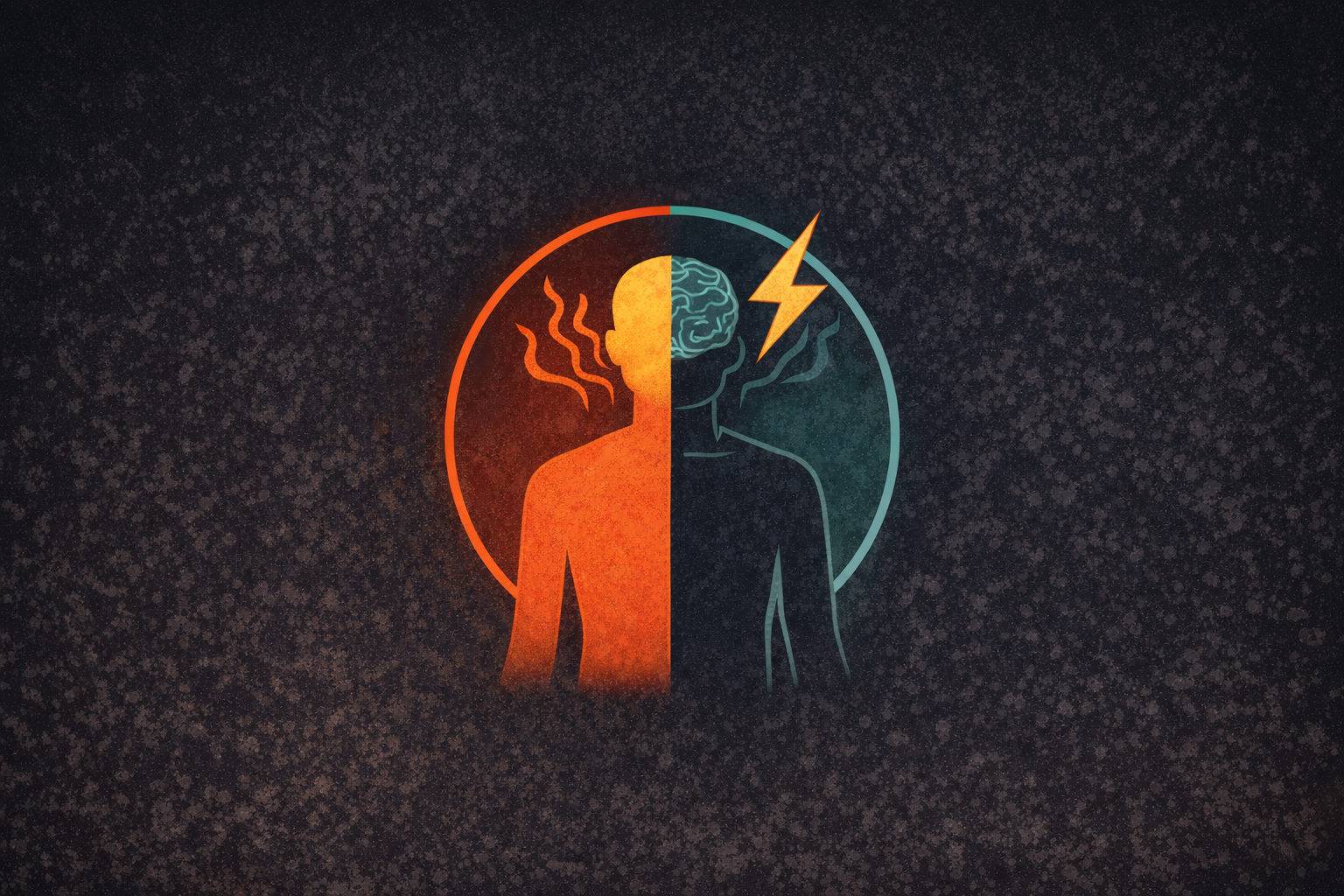
Your body is designed to handle stress—but not to stay in it all the time. When the stress response stays activated, it can begin to affect how you feel both mentally and physically.
Over time, this can show up in ways that are easy to overlook or misinterpret.
What Is Fight-or-Flight Mode
Fight-or-flight is the body’s natural stress response. It’s designed to help you react quickly to threats by increasing heart rate, sharpening focus, and preparing the body for action.
This response is helpful in short bursts, but when it stays activated for long periods, it can begin to affect sleep, digestion, energy, and overall well-being.
Signs Your Body Is Stuck In Fight-or-Flight Mode
Constant Feelings of Stress or Anxiety
Feeling on edge even when there’s no clear reason
Difficulty relaxing or “shutting off”
Persistent worry or racing thoughts
Poor Sleep or Trouble Falling Asleep
Difficulty winding down at night
Waking up frequently during sleep
Feeling tired even after a full night
Digestive Issues
Bloating, discomfort, or irregular digestion
Changes in appetite
Feeling worse after eating
Fatigue or Low Energy
Feeling drained despite getting rest
Energy crashes throughout the day
Lack of motivation
Muscle Tension or Tightness
Tight neck, shoulders, or jaw
Frequent headaches
General physical tension
Increased Heart Rate or Palpitations
Feeling like your heart is racing
Awareness of your heartbeat
Difficulty calming down physically
Difficulty Focusing
Brain fog or lack of clarity
Trouble concentrating
Easily distracted
Why Your Body Gets Stuck In Fight-or-Flight Mode
Modern life can keep the stress response activated longer than it was designed for. Constant stimulation from work, screens, poor sleep, and ongoing stress can signal the body to stay in a heightened state.
Over time, the body may have trouble returning to a relaxed state, especially if there are few opportunities to fully rest and recover.
How to Reset Your Nervous System
Focus on slow, controlled breathing to help signal the body to relax
Prioritize consistent sleep and allow time to fully unwind at night
Limit constant stimulation from screens and give your mind breaks throughout the day
Spend time outside, especially in natural light
Use heat (like a sauna) or cold exposure to help regulate stress response
Stay consistent with movement, such as walking or light exercise
Create small daily habits that allow your body to shift out of stress mode
Final Thoughts
The stress response is a normal part of how the body functions, but it’s not meant to stay activated all the time.
Recognizing the signs early and making small, consistent changes can help bring your body back into balance over time.
