

Gut Health: Why It Matters More Than You Think
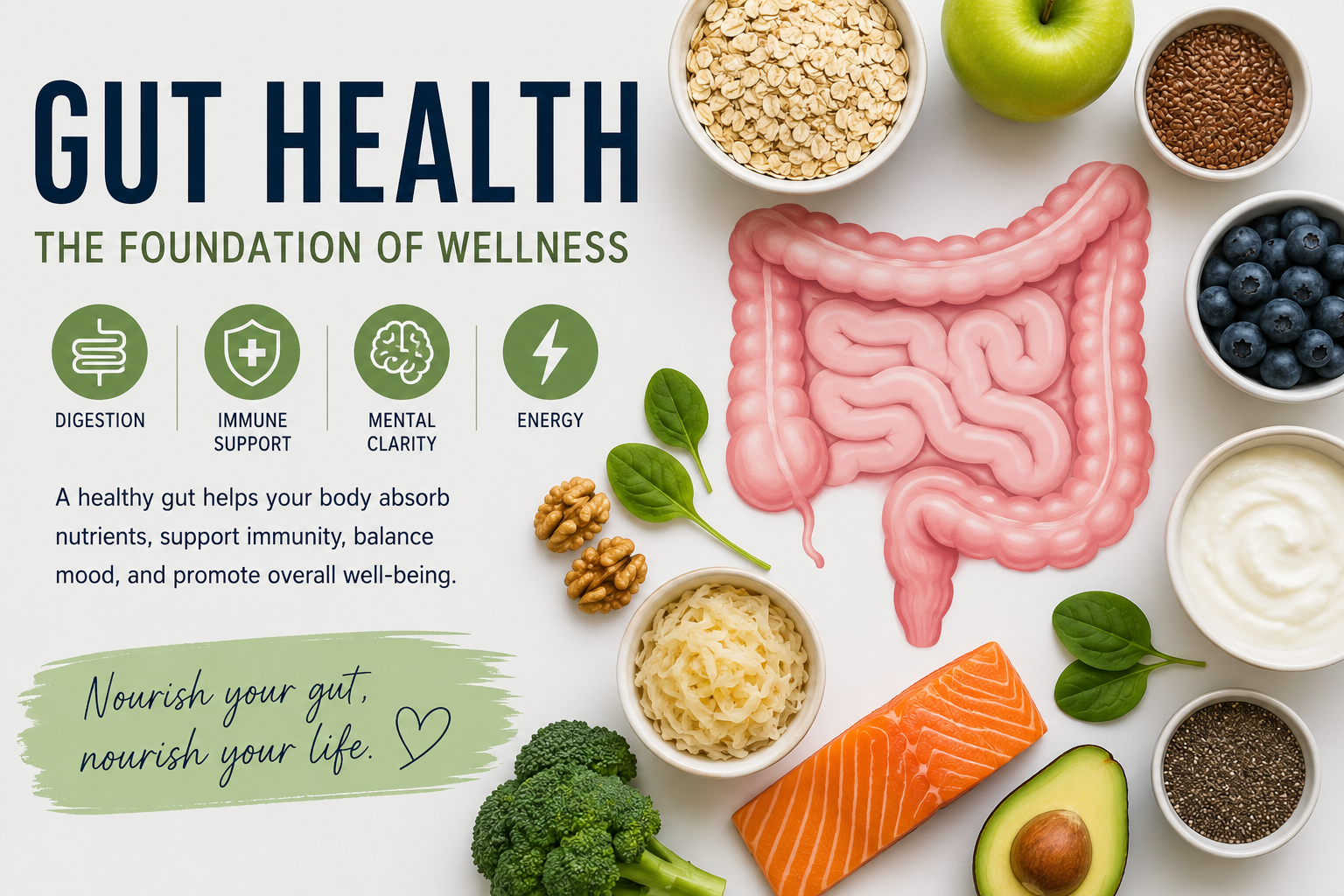
When most people think about gut health, they think about digestion. But your gut does much more than help process food. Your digestive system plays an important role in nutrient absorption, immune function, inflammation regulation, and communication with the brain. Because of this, gut health can influence many aspects of overall wellness, including energy levels, mood, and how you feel day to day.
While digestive symptoms are often the most obvious signs of an imbalance, gut health is about much more than simply avoiding stomach discomfort.
Signs Your Gut May Need More Support
Every person is different, but common signs that may be associated with digestive health challenges include:
Bloating
Gas
Digestive discomfort
Food sensitivities
Brain fog
Fatigue
Irregular bowel movements
Difficulty maintaining energy levels
These symptoms can have many causes, but they are often a signal that it's worth taking a closer look at your nutrition and lifestyle habits.
The Connection Between Gut Health and Inflammation
A large portion of the immune system is located within the digestive tract. Because of this, gut health and inflammation are closely connected.
When digestion is not functioning optimally, it may contribute to inflammatory processes that affect the entire body.
If you're interested in learning more about this topic, be sure to read our article:
👉 Is Inflammation Quietly Holding You Back?
Histamine and Gut Health
For some individuals, gut health and histamine intolerance may overlap. The digestive system plays a role in histamine metabolism, and some people experience digestive symptoms alongside headaches, flushing, fatigue, brain fog, and food sensitivities. If these symptoms sound familiar, learn more here:
This article can help you better understand the relationship between histamine and overall wellness.
Foods That Support Gut Health
A healthy gut begins with a diet centered around whole foods.
Some of the most popular gut-friendly foods include:
Oats
Fruits
Vegetables
Chia seeds
Flaxseed
Avocados
Fatty fish such as salmon and sardines
These foods provide fiber, healthy fats, and nutrients that support overall digestive health.
For a deeper dive into one of the most beneficial gut-supporting foods, explore our:
Lifestyle Habits Matter Too
Food is only one piece of the puzzle.
Other habits that may support digestive wellness include:
Prioritizing sleep
Managing stress
Staying physically active
Drinking enough water
Eating a variety of whole foods
Many people are surprised to learn how closely sleep and digestion are connected. Poor sleep can affect hunger hormones, recovery, and overall well-being.
For more information, read:
👉 Foods That May Help You Sleep Better Naturally
The Bottom Line
Gut health affects much more than digestion. It may influence inflammation, energy levels, nutrient absorption, immune function, and overall well-being. While there is no single solution that works for everyone, focusing on whole foods, healthy lifestyle habits, and consistent routines can help create a strong foundation for long-term health.
Continue Exploring
Related Articles
Popular Guides
Histamine Intolerance Guide
